 By Kelvin Tshuma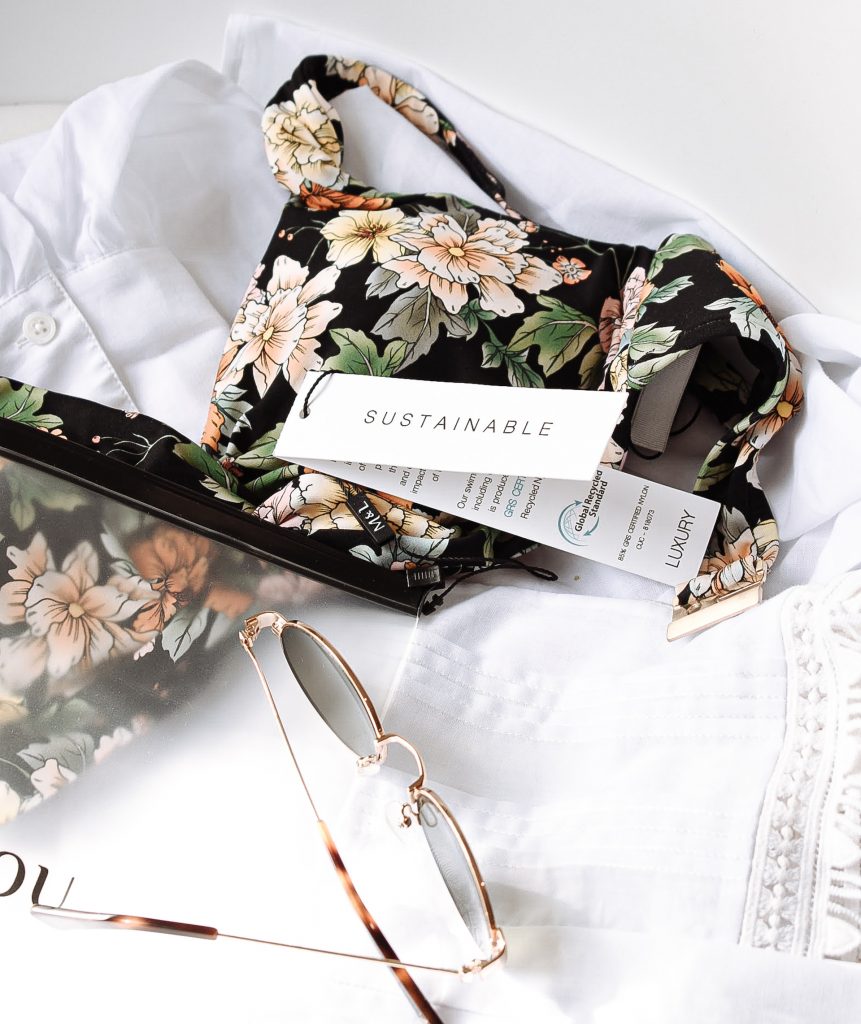
The biggest lie in sustainable fashion is that you need to invent a new fabric to matter. You don’t. Patagonia didn’t invent recycled polyester — they just figured out how to sell it without making people feel like they were wearing trash bags. Reformation didn’t create low-impact dyes. They built a supply chain that actually tracks water usage per dress. The real opportunity isn’t technology. It’s logistics, transparency, and changing how people buy clothes.
I spent two weeks digging into what’s working right now in sustainable fashion startups. Not the hype. The actual businesses making money and reducing waste. Here’s what I found.
Why Most Sustainable Fashion Startups Fail Within 18 Months
Three out of four sustainable fashion startups don’t make it past year two. I’ve seen the same mistakes repeat across dozens of brands. Here’s what kills them.
The Green Premium Trap
Most founders think “sustainable” means they can charge 3x more. A $200 organic cotton t-shirt isn’t a business model. It’s a donation request. Everlane learned this the hard way — their “radical transparency” pitch worked until customers realized the $65 t-shirt still cost $5 to make. The math doesn’t add up unless you solve for scale.
Supply Chain Naivety
Small brands chase “100% organic” or “zero waste” certifications without understanding that minimum order quantities for certified organic factories start at 5,000 units per style. You can’t order 200 organic cotton hoodies. You’ll wait 8 months and pay 40% more than Zara. The reality: most successful sustainable startups use a mix — 30% certified materials, 70% deadstock or recycled fabrics that don’t need new certification.
Marketing to the Wrong Audience
The people who care most about sustainability are also the least likely to buy new clothes. They’re mending their jeans and shopping thrift. Your real customer is someone who wants to look good, feels vaguely guilty about fast fashion, and has $80-150 to spend. Market to the guilt, not the mission.
One piece of advice that actually works: Start with one product category. Not “sustainable women’s wear.” Start with “organic cotton denim jackets under $120.” Narrow focus lets you control quality and inventory. Reformation started with just dresses. Patagonia started with climbing gear.
7 Sustainable Fashion Startup Ideas That Are Actually Viable Right Now
These aren’t theoretical. Each model has at least one company doing $5M+ in annual revenue with real margins.
1. Deadstock Fabric Sourcing Platform
Fashion brands throw away 15-20% of their fabric. That’s billions of yards of perfectly good material ending up in landfills. The business: build a marketplace connecting factories with excess fabric to small designers who need small quantities.
Real example: Queen of Raw does exactly this. They match deadstock fabric from luxury brands (think LVMH factories) to indie designers. Their revenue hit $12M in 2026. The margins are 25-30% because you’re selling waste that factories would otherwise pay to dispose of.
What you need to start: A relationship with 3-5 factories or garment manufacturers. Start local. In Los Angeles alone, there are 40,000 garment workers and hundreds of factories with excess inventory. Offer to audit their deadstock for free. You take 15% commission on sales.
2. Clothing Rental for Specific Life Events
Rent the Runway proved the model works for formal wear and work clothes. The gap: niche life events. Wedding guest dresses. Babymoon outfits. Job interview suiting for plus sizes. These are one-time purchases that sit in closets forever.
Why it works: The average woman buys 4-5 dresses per year specifically for weddings. Each dress costs $80-150 and gets worn once. A rental model at $35-50 per dress with free shipping both ways creates a 60% margin. The key is narrow focus — don’t try to be “fashion rental.” Be “sustainable wedding guest attire for size 14+.”
3. Repair and Alteration Subscription
Patagonia’s Worn Wear program proved people will pay to keep clothes alive. But most brands don’t offer repairs. The opportunity: a standalone repair service that partners with local tailors and offers pickup/delivery.
The numbers: Average repair costs $25-45. A monthly subscription at $19/month for 2 repairs creates predictable revenue. Target urban professionals who own quality pieces (Everlane, Patagonia, Levi’s) but don’t have time to find a tailor. The average customer spends $120/year on repairs — less than buying one new outfit.
4. Size-Inclusive Deadstock Swimwear
Swimwear is the most returned clothing category online — 40% return rate because sizing is inconsistent. Use deadstock fabric (neoprene, recycled nylon) to make swimwear in sizes XS-4XL with consistent grading. Sell direct-to-consumer with a fit quiz that reduces returns to under 15%.
Why this works now: Most sustainable swim brands stop at size 16. The plus-size market spends $24B annually on apparel and is underserved. Use a fit model in size 18-20 for your grading. Include a measuring guide with real photos, not illustrations. Price at $65-85 per piece — competitive with Aerie but with better ethics.
5. Secondhand Uniforms for Schools and Hospitality
Schools and hotels throw away thousands of uniforms every year. Build a B2B service that collects used uniforms, cleans and repairs them, and resells them at 50% off retail to new employees or students.
The market: The US hospitality industry spends $3.2B annually on uniforms. Hotels replace staff uniforms every 18-24 months. A single Marriott property might toss 500 uniforms per year. Offer hotels a 30% discount on their next uniform order in exchange for collecting old ones. Resell to smaller hotels or schools at 50% of retail. Margins hit 40% after cleaning costs.
6. Localized Micro-Factories for Custom Clothing
Instead of making 10,000 units and hoping they sell, make one unit at a time on demand. Use digital knitting machines (like Shima Seiki or Stoll) that can produce a sweater in 90 minutes with zero waste. The customer orders online, you knit it locally, and ship within 5 days.
Real example: Unspun does this for jeans. They scan your body with an app, cut denim to your exact measurements, and ship custom jeans with no inventory waste. They raised $18M in funding and produce in Oakland, California. The model works because you never have unsold stock — your only cost is materials and machine time.
7. Textile Recycling Drop-Off Network (Local)
Most cities have no convenient way to recycle old clothes. Clothing bins often send donations overseas where they clog landfills. Build a local network of drop-off points that actually recycle textiles into new fiber, then sell the processed material to manufacturers.
Business model: Partner with coffee shops, gyms, and laundromats to host collection bins. You pay them $50/month per bin. Collect 2-3 tons of clothing per month per 10 bins. Sort into: resellable (20%), recyclable fiber (60%), rags (15%), landfill (5%). Sell recyclable fiber to companies like Evrnu or Circ for $0.30-0.50/lb. Revenue per ton: $600-1,000 after sorting costs.
| Business Model | Startup Cost | Monthly Revenue Potential (Year 2) | Main Risk |
|---|---|---|---|
| Deadstock fabric platform | $5,000-15,000 | $20,000-50,000 | Factory relationships take time |
| Niche clothing rental | $10,000-30,000 | $15,000-40,000 | Inventory management and cleaning |
| Repair subscription | $2,000-8,000 | $8,000-20,000 | Finding reliable tailors |
| Deadstock swimwear | $15,000-40,000 | $25,000-60,000 | Sizing consistency |
| Secondhand uniforms (B2B) | $20,000-50,000 | $30,000-80,000 | Contract negotiation with hotels |
| Micro-factories | $50,000-150,000 | $40,000-100,000 | Equipment cost and maintenance |
| Textile recycling network | $8,000-20,000 | $10,000-25,000 | Sorting labor costs |
When NOT to Start a Sustainable Fashion Business
Not everyone should do this. Here are three situations where you should walk away.
You Can’t Handle 12-Month Cash Flow Gaps
Sustainable fashion has slower inventory turns. If you’re making organic cotton tees, you order in January, receive in April, sell through September. That’s 8 months between paying your factory and getting money back. If you don’t have 12 months of runway saved, you’ll starve before you succeed. Most sustainable fashion startups fail because they run out of cash before their second production run.
You’re Chasing Certifications Instead of Customers
GOTS certification costs $5,000-15,000 per product line and takes 6 months. Fair Trade adds more. Customers don’t buy certifications — they buy good clothes that happen to be sustainable. If your first move is applying for certifications instead of making a product people want, you’re building a charity, not a business. Start with one simple claim you can prove (“made from deadstock fabric”) and add certifications later.
You Want to Change the Whole Industry at Once
The founders who succeed fix one specific problem. Reformation fixed “how do I know if my dress was made ethically?” Patagonia fixed “how do I repair my jacket?” ThredUp fixed “where do I sell my old clothes?” The founders who fail try to solve “the entire fashion industry is broken and here’s my 10-point plan.” Pick one hole in the system. Plug it. Then move to the next.
How to Validate Your Idea Without Wasting Money
You don’t need a full production run to test demand. Here’s a low-cost validation method that works.
Step 1: Build a simple landing page with one product photo (use a stock image or mockup). Write 3 sentences about what you’re making and why it’s sustainable. Add a “Pre-order Now” button that leads to a form asking for email and size. Run $200 in Instagram ads targeting women aged 25-40 interested in “ethical fashion” and “slow fashion.”
Step 2: If you get 50+ email signups within 2 weeks, you have demand. If you get fewer than 20, your product or message isn’t working. Change the angle and try again. Do NOT order inventory until you have confirmed demand.
Step 3: Once you have signups, send a survey asking what they’d pay. Use a sliding scale from $45 to $120. The average is your target price. If the average is below your break-even cost, your idea doesn’t work at that price point. Kill it now before you lose real money.
A real example: A friend tested a deadstock tote bag idea this way. She got 87 email signups in 10 days. Average willingness to pay was $48. Her break-even was $32 per bag including shipping. She launched, sold 200 units in the first month, and now runs a small brand doing $8K/month. She spent $400 on ads and $600 on samples before committing to production.
The Hard Truth About Scaling Sustainable Fashion
Here’s what nobody tells you.
Scaling kills sustainability. The moment you hit 10,000 units per month, you can’t source enough deadstock fabric. You’ll need virgin materials. You’ll need factories in countries with weaker environmental regulations. Every sustainable brand that grows eventually faces this tradeoff. Patagonia uses conventional cotton for their best-selling t-shirts because organic supply can’t keep up. They’re honest about it. You should be too.
The most sustainable business might be a small one. A brand that sells 500 units a year using entirely local, deadstock materials is more sustainable than a brand selling 50,000 units with “carbon offset” claims. Don’t let growth goals make you dishonest about your impact.
Your biggest competitor is not other sustainable brands. It’s Zara, H&M, and Shein. They can copy your designs in 2 weeks and sell them for 60% less. You can’t compete on price. You compete on trust, quality, and a story that makes people feel good about spending more. If you can’t tell that story in 10 seconds, you lose.
The one metric that matters: Repeat purchase rate. If customers buy from you more than once, your product works. If they don’t, your sustainability story won’t save you. Focus on making clothes people want to wear again and again. That’s the most sustainable thing you can do.