 By Kelvin Tshuma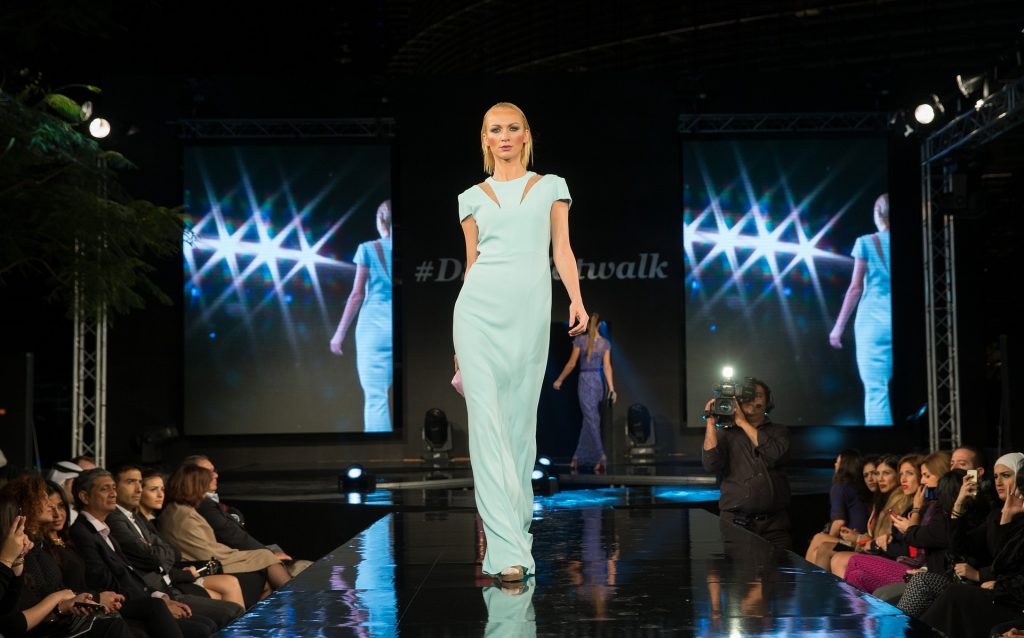
You walk into a store in September and see heavy coats. In March, it’s swimsuits. That’s not random — it’s the fashion collection system at work. Every piece of clothing you buy was planned 12 to 18 months earlier. Understanding how collections work helps you shop smarter, avoid overpaying for trends, and recognize quality when you see it.
What Actually Is a Fashion Collection?
A fashion collection is a group of garments and accessories designed to be shown and sold together. They share a theme, a color palette, and a season. Think of it like an album: each piece is a song, but they all belong to the same record.
Most brands release two main collections per year:
- Spring/Summer (SS) — lighter fabrics, brighter colors, shorter hemlines. Shown in September/October, in stores from January through June.
- Fall/Winter (FW) — heavier fabrics, darker tones, layering pieces. Shown in February/March, in stores from July through December.
Luxury houses also add Resort (or Cruise) and Pre-Fall collections. These bridge the gap between main seasons and stay in stores longer. Brands like Chanel and Dior now produce 6 to 8 collections per year. Fast-fashion chains like Zara push 24 “micro-collections” annually — a new one every two weeks.
The core idea hasn’t changed since the 1800s. Charles Frederick Worth, a Parisian dressmaker, created the first designer collection in 1858. He sewed a set of dresses, hired models to wear them, and invited clients to view them. That’s still how it works — just bigger and faster.
The Fashion Calendar: Why Your Winter Coat Arrives in July
Here’s where most shoppers get confused. When you see a winter coat in July, it’s not a mistake. The fashion calendar runs 6 to 12 months ahead of the actual weather.
A typical timeline looks like this:
| Month | What Happens | What You See in Stores |
|---|---|---|
| January – February | Designers research trends, sketch FW collections | Winter sale leftovers |
| March – April | Fabric sourcing, sample making for FW | Spring new arrivals |
| May – June | Production orders placed for FW | Summer full price |
| July – August | FW samples shipped to stores | Summer sale + early FW previews |
| September | Fashion Week shows SS collections | Full FW in stores |
| October – November | SS production begins | FW full price, holiday shopping |
| December – January | SS samples finalized, holiday sales start | FW markdowns, early SS arrivals |
This schedule exists because factories need lead time. A single factory in Bangladesh or Vietnam might produce for 20 different brands. If you want 10,000 coats in stores by October, you need to order fabric in April and book factory time in May.
Fashion Week isn’t when clothes go on sale. It’s a trade show where buyers from stores like Nordstrom, Ssense, and Selfridges place orders for next season. The public sees the shows online, but the real business happens in showrooms behind the scenes.
How a Collection Goes From Sketch to Store
This process has four stages. Each one determines whether a piece ends up on a rack or in a bin.
1. Research and Concept
Designers start with a mood board. They pull images from art, street style, vintage archives, and trend forecasting services like WGSN or Pantone. A theme emerges — say, “1970s ski lodge meets sustainable denim.”
Color palettes are locked first. A brand like COS might choose 8 core colors and 4 accent colors for a season. Every piece in the collection must work with at least 3 of those colors. This ensures mix-and-match potential in stores.
2. Design and Sampling
Designers sketch 200 to 500 ideas. Only 40 to 80 make it to the sample stage. Samples are sewn by pattern makers in the brand’s own atelier or a local factory. Each sample costs $500 to $3,000 to produce, depending on fabric and detailing.
The sample goes through fitting on a live model. Proportions get adjusted. A pocket might move 2 centimeters. A seam might be reinforced. This is where quality gets decided. A jacket with taped seams and fused lining costs more to sample but lasts years longer than one with raw edges.
3. Production
Once samples are approved, the brand places a production order. Minimum order quantities (MOQs) vary wildly:
- A small brand might order 200 units per style from a local factory
- A mid-tier brand like Aritzia orders 2,000–5,000 units per style
- Fast-fashion brands like H&M order 50,000+ units per style
Fabric is cut in stacks using laser cutters or die-cut knives. Garments are sewn on assembly lines. Each worker handles one operation — attaching a collar, setting a sleeve, hemming a bottom. A single dress might pass through 15 to 30 hands.
Quality control happens at three points: after cutting, after sewing, and before packing. A 2% defect rate is standard. Anything above 5% means the entire batch gets rejected.
4. Distribution and Retail
Finished garments go to a distribution center. From there, they’re shipped to stores and online warehouses. Markdown timing is planned before the first unit sells.
Most brands follow a standard markdown schedule:
- Full price: First 6–8 weeks
- 30% off: Weeks 9–12
- 50% off: Weeks 13–16
- 70% off or send to outlet: After week 16
If you want a piece from a collection, buy it in the first 4 weeks or wait until the 50% mark. The sizes that sell out in week 1 rarely restock.
Why Most Collections Fail (And What Smart Brands Do Differently)
Here’s a number that surprises people: 60% to 70% of fashion collection items sell at a discount. That means most pieces don’t move at full price. Brands overproduce because they’d rather have extra stock than miss a trend.
Three common failure modes:
1. Following trends too late. By the time a trend hits fast fashion, it’s already peaking. If you see “Barbiecore” pink dresses in Target in August 2026, that trend was dead in high fashion by September 2026. Brands that chase trends end up with markdown bins.
2. Poor fabric choices. A $200 dress made from polyester crepe will pill after three washes. A $200 dress made from cupro or Tencel will look new after twenty washes. Fabric is 80% of the garment’s value. Brands that cut fabric costs destroy their own reputation.
3. Ignoring fit diversity. Most collections are sampled on a size 4 (US) or size 36 (EU) model. Brands that grade sizes mathematically — adding 1 inch here, 2 inches there — produce garments that don’t fit real bodies. Brands like Everlane and Madewell have invested in fit testing across 5+ body types. The difference shows in return rates: 15% for them vs. 30%+ for brands that don’t test.
When NOT to buy a collection piece: If it’s a “statement” trend piece (neon faux fur, extreme shoulder pads, logo-covered everything), skip it. Those items have a 12-week shelf life. Instead, buy foundation pieces — a well-cut blazer, a silk shell, a cashmere crewneck — from the collection. Those stay relevant for years.
How to Read a Collection Like a Buyer
Retail buyers for stores like Ssense or MatchesFashion look at collections with a specific checklist. You can use the same criteria to decide what’s worth your money.
Check the fabric composition tag. A 100% wool coat from a collection is almost always worth the price. A “wool blend” with less than 60% wool is overpriced. A “polyester” coat from a designer brand is a rip-off at any price.
Look at the seams. Turn the garment inside out. French seams or flat-felled seams cost more to produce but prevent fraying. Raw edges that aren’t finished mean the garment won’t survive 10 washes.
Compare the collection’s “story” pieces vs. “bread and butter” pieces. Every collection has 2-3 dramatic runway pieces (the $3,000 beaded dress) and 20-30 wearable items (the $300 silk blouse). The wearable items are where the brand makes money. They’re also where you get the best value — same construction quality, lower price.
Check the color palette. If a collection has 12 colors, the brand is hedging. If it has 4 colors, the brand is confident. Confident collections usually have better fabric and fit because the design team focused their budget on fewer pieces.
Here’s a practical example. The Toteme SS25 collection featured 4 core colors (cream, navy, rust, olive) and 6 accent colors. The core pieces — a double-faced wool coat ($1,890), a silk twill dress ($890), and wide-leg denim ($490) — all worked together. A buyer could put together 8 outfits from 5 pieces. That’s intentional design.
Compare that to a fast-fashion brand like Boohoo, which releases 100+ new styles every week with no consistent palette. You can’t build a wardrobe from those pieces because nothing coordinates. That’s not a collection — it’s a firehose.
The Real Cost of a Collection Piece — And What You’re Actually Paying For
When you buy a $1,200 dress from The Row, you’re not paying $1,200 for fabric. Here’s the breakdown of where that money goes, based on industry standard margins for luxury brands:
| Cost Component | Percentage of Retail Price | Example: $1,200 Dress |
|---|---|---|
| Fabric and trims | 10–15% | $120 – $180 |
| Labor and manufacturing | 8–12% | $96 – $144 |
| Design and sampling | 5–8% | $60 – $96 |
| Marketing and fashion show | 10–15% | $120 – $180 |
| Retail markup (store rent, staff) | 40–50% | $480 – $600 |
| Brand profit | 10–15% | $120 – $180 |
What you’re actually paying for: design vision (the concept, the pattern cutting, the proportions) and scarcity (limited production runs). The fabric itself is rarely the biggest cost.
For a mid-range brand like Sezane or Maje, the markup structure is similar but retail markup drops to 30–35% because they sell mostly online. That’s why their prices ($200–$500) are lower while using similar-quality fabrics.
For fast fashion, the math flips. A $30 Zara dress has 5% design cost and 60% retail markup. The fabric costs $2. The labor costs $3. You’re paying for speed and convenience, not longevity.
So here’s the takeaway: If you want pieces that last, buy from collections where the fabric-to-retail ratio is at least 12%. That means the brand spent real money on materials. Brands like COS, Arket, and A.P.C. consistently hit that mark. Brands like Fashion Nova or Shein spend 3–5% on fabric — those pieces are disposable by design.
The fashion collection system is a machine built to sell you things you don’t need, on a schedule that doesn’t match real life. But once you understand the calendar, the cost breakdown, and the quality markers, you can beat the system. Buy foundation pieces from confident collections. Skip the trend chasers. And remember: that winter coat in July isn’t early — it’s exactly on time.