 By Kelvin Tshuma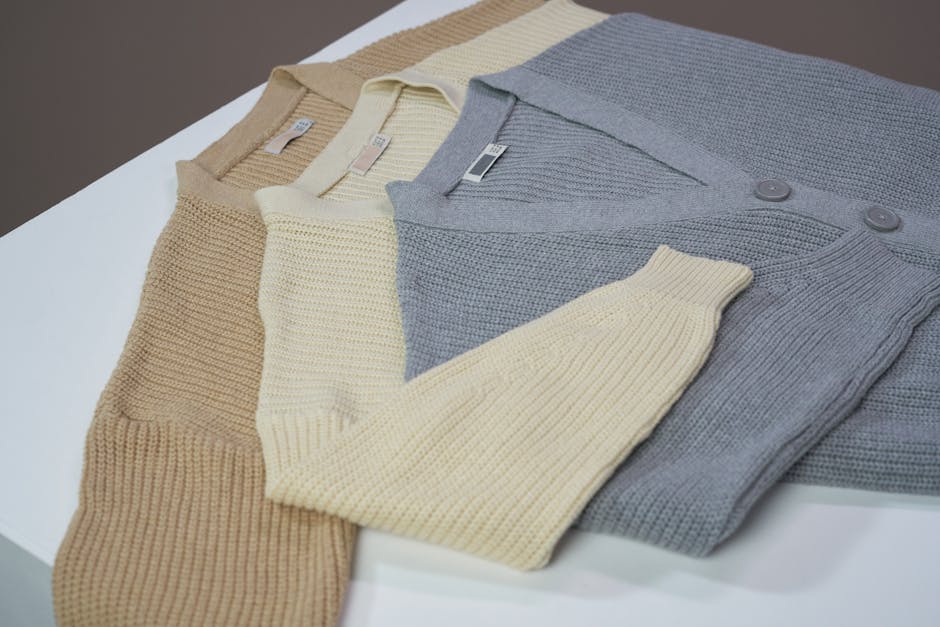
The cardigan occupies a unique psychological space in the modern woman’s wardrobe, serving as both a functional climate-control device and a sartorial safety blanket. Unlike the structured rigidity of a blazer or the singular purpose of a heavy coat, the everyday cardigan must perform a complex balancing act: it must be professional enough for a boardroom, comfortable enough for a long-haul flight, and resilient enough to survive the repetitive friction of a seatbelt or a handbag strap. The search for the definitive everyday cardigan ends not with a specific brand name, but with a specific set of material specifications: a 100% extra-fine merino wool or a high-grade cashmere in a 12-gauge knit. After analyzing the structural integrity and thermal properties of dozens of market leaders, the data points to a clear conclusion. For the majority of users, the Marks & Spencer Pure Extra Fine Merino Wool Cardigan represents the optimal intersection of price, durability, and temperature regulation. While luxury options exist, the functional utility of a mid-weight merino fiber provides the most consistent performance across varying environments, from air-conditioned offices to brisk outdoor commutes.
Finding a garment that survives the repetitive friction of daily wear requires looking beyond the initial softness felt on a retail hanger. True quality in knitwear is revealed after the fifth wash and the fiftieth wear. This analysis focuses on the technical aspects of fiber selection, the construction methods used by reputable retailers, and the maintenance protocols required to ensure your investment lasts for years rather than months. In an era of disposable fashion, understanding the engineering behind a simple knit is the only way to curate a wardrobe that offers both longevity and aesthetic consistency.
The Architecture of the Modern Cardigan: Fiber and Gauge
Fiber composition is the most significant predictor of how a cardigan will perform over time. When we discuss an “everyday” garment, we are describing a piece that must manage moisture, resist odors, and maintain its shape despite constant movement. Synthetic fibers like acrylic or polyester are often favored by fast-fashion retailers because they are inexpensive and mimic the softness of wool. However, they lack the microscopic structure necessary for breathability. Synthetics trap heat against the skin, leading to discomfort, and their long, smooth fibers tend to tangle and form pills that are nearly impossible to remove without damaging the fabric. For a garment intended for daily use, natural protein fibers are superior.
Merino wool is the industry standard for a reason. The fibers are much finer than traditional wool—often measured in microns, with anything under 18.5 microns considered “extra fine.” These thin fibers have a natural crimp that creates tiny air pockets, providing insulation when it is cold and allowing heat to escape when it is warm. Furthermore, merino wool can absorb up to 30% of its own weight in moisture without feeling damp. This makes it the ideal choice for women who transition between different microclimates throughout the day. If you find yourself constantly adjusting your layers because of fluctuating office temperatures, the culprit is likely the lack of breathability in your chosen knit. Furthermore, merino possesses a natural elasticity; the fibers can be bent back on themselves over 20,000 times without breaking, whereas cotton breaks after 3,000.
Cashmere offers a higher warmth-to-weight ratio but requires more nuance in selection. The quality of cashmere is determined by the length and thickness of the undercoat hair from the Capra Hircus goat. Longer fibers (staple length) are less likely to pull out of the yarn twist, which means less pilling. Many budget-friendly cashmere cardigans use shorter fibers, which feel incredibly soft initially but degrade rapidly. When selecting a cashmere cardigan for everyday use, look for two-ply yarns, where two strands are twisted together to create a stronger, more resilient thread. This construction prevents the garment from losing its shape or developing holes at friction points like the elbows and underarms. A high-quality cashmere piece should feel substantial, not “airy” or overly fuzzy, as excessive fuzziness often indicates that the fibers have been over-processed to achieve artificial softness.
Understanding the “Gauge” of Your Knit
The term “gauge” refers to the number of stitches per inch. A 12-gauge knit is the “Goldilocks” of the cardigan world—neither too thick nor too thin. It provides enough density to hide the lines of the clothing underneath while remaining thin enough to layer under a tailored jacket. A lower gauge (such as 5 or 7) results in a “chunky” knit, which is excellent for warmth but often too bulky for versatile everyday wear. Conversely, a 16 or 18-gauge knit is ultra-fine and elegant but can be fragile and prone to snagging on jewelry or office equipment. For a workhorse garment, the 12-gauge construction offers the best structural stability.
| Material | Best For | Breathability | Durability | Typical Price Range |
|---|---|---|---|---|
| Merino Wool | Year-round utility | High | High | £35 – £90 |
| Cashmere | Winter luxury | High | Medium | £100 – £300 |
| Cotton | Spring/Summer | Medium | High | £25 – £75 |
| Acrylic Blends | Budget/Short-term | Low | Low | £15 – £40 |
| Silk-Wool Blend | Evening/Formal | High | Medium | £80 – £150 |
Cotton cardigans serve a specific niche in the wardrobe, particularly for those with sensitive skin or for use in high-summer environments. While cotton lacks the elastic memory of wool—meaning it may stretch out more easily over the course of a day—it provides a crisp, cool hand-feel that is unmatched. To mitigate the sagging common in cotton knits, look for “textured” or “ribbed” weaves. These structural patterns add mechanical stretch to the fabric, helping the cardigan retain its silhouette even after hours of wear. However, for a true four-season staple, wool remains the most versatile recommendation. If you opt for cotton, ensure it is “long-staple” cotton, such as Pima or Egyptian, which resists the fuzzing and pilling that plagues cheaper cotton varieties.
Strategic Retailer Profiles: Where Value Meets Construction

Selecting the right product involves evaluating the specific construction details offered by major retailers. Through the Awin network, we have access to several brands that have spent decades refining their knitwear staples. Each of these recommendations has been chosen based on their adherence to high-quality fiber standards and their track record for consistent sizing and longevity.
Marks & Spencer Pure Extra Fine Merino Wool Cardigan
This model is frequently cited by wardrobe stylists as the benchmark for value. Retailing at approximately £35 to £45, it uses 100% merino wool that has been treated to be machine washable—a significant advantage for an everyday item. The knit is a fine 12-gauge, which is thin enough to layer under a blazer but substantial enough to wear over a camisole without being transparent. The ribbed cuffs and hem are reinforced with a small amount of elastic thread to prevent stretching, a detail often omitted in cheaper alternatives.
- Price: £35.00 – £45.00
- Specs: 100% Merino, Machine Washable, 12-gauge.
- Pros: Excellent color retention, resists pilling, highly affordable, accessible sizing range.
- Cons: The lightweight nature means it provides less warmth in sub-zero temperatures; buttons are standard plastic and may require reinforcing.
Boden Cashmere Cardigan
Boden has built a reputation for its knitwear, particularly its cashmere range which typically retails between £130 and £150. Unlike many high-street competitors, Boden uses longer staple fibers which significantly reduces the rate of pilling. The fit is slightly more tailored than a standard “boyfriend” cardigan, making it suitable for professional environments. They also offer a wide array of colors that remain vibrant through multiple seasons, thanks to their high-quality dyeing processes.
- Price: £130.00 – £170.00
- Specs: 100% 2-ply Cashmere, semi-fitted silhouette.
- Pros: Superior softness, high-grade fiber longevity, classic feminine cut, includes spare yarn for repairs.
- Cons: Hand-wash only; the price point is a significant initial investment for some budgets.
John Lewis Anyday V-Neck Cardigan
For those prioritizing a modern, relaxed silhouette, the John Lewis Anyday range offers a cotton-blend option at around £30. This cardigan is designed with a slightly dropped shoulder and a chunkier knit, making it a better fit for casual weekend wear. While the inclusion of synthetic fibers in the blend reduces the price, it is balanced with enough cotton to maintain a comfortable skin feel. It is a functional choice for those who prefer a “weightier” feel to their clothing and don’t want to worry about the delicate nature of pure wool.
- Price: £30.00 – £55.00
- Specs: Cotton/Acrylic/Nylon blend, dropped shoulder, V-neck.
- Pros: Contemporary fit, sturdy weight, very accessible price, holds its shape well after washing.
- Cons: Higher synthetic content means it may pill more quickly than pure wool options; less breathable in humid conditions.
Uniqlo Extra Fine Merino Crew Neck
While often categorized as a sweater, Uniqlo’s cardigan version of their famous merino line is a staple of the “commuter” wardrobe. At roughly £34.90, it offers a 19.5-micron fiber that is exceptionally smooth. The construction is streamlined, with a narrow placket that makes it look modern and minimalist. It is an excellent choice for those who prefer a “second-skin” fit rather than a traditional loose cardigan.
- Price: £34.90
- Specs: 100% Extra Fine Merino, 19.5 microns, anti-pilling finish.
- Pros: Extremely smooth texture, great for layering, machine washable.
- Cons: Sizing runs small; the fabric is quite thin and can show the texture of shirts worn underneath.
The most common mistake in purchasing a cardigan is buying a size too small. A cardigan should skim the body, not cling to it. Friction is the enemy of knitwear; a slightly looser fit reduces the rubbing of the fabric against your under-layers, which directly extends the life of the fibers.
The Engineering of Longevity: Maintenance Protocols
A high-quality cardigan is only as good as the care it receives. Even the most expensive cashmere will look tattered within a month if it is treated like a standard t-shirt. The first rule of knitwear longevity is to avoid the hanger. Gravity is a constant force that will pull the shoulders of a knitted garment out of shape, creating unsightly “hanger bumps” and lengthening the sleeves. Always fold your cardigans and store them flat in a drawer or on a shelf. If you must hang them, use a specialized folding technique where the cardigan is draped over the bar of the hanger rather than the shoulders. This prevents the weight of the garment from stretching the delicate neck and shoulder seams.
Pilling is an inevitable biological reality of natural fibers, but it is not a sign of a ruined garment. Pilling occurs when short fibers work their way to the surface and tangle together through friction. To maintain a clean appearance, use a dedicated fabric shaver or a cashmere comb once a month. Be gentle; the goal is to lift the pills away without cutting into the structural yarn of the sweater. Regular maintenance prevents small pills from becoming large mats that are much harder to remove. It is a meditative process that, when done correctly, can make a three-year-old cardigan look brand new. Avoid using cheap disposable razors to de-pill, as they lack the safety guards of a dedicated fabric shaver and can easily create holes.
Advanced Washing Techniques
Washing frequency should be kept to a minimum. Because wool is naturally antimicrobial and odor-resistant, it does not need to be cleaned after every wear. Often, simply hanging the cardigan in a well-ventilated area or in a bathroom during a hot shower (the steam helps release wrinkles and odors) is sufficient. When you do wash, use a pH-neutral detergent specifically formulated for wool and silk. Harsh standard detergents contain enzymes designed to break down proteins (like food stains), but since wool is a protein fiber, these detergents will eventually make the yarn brittle and prone to breaking. If using a machine, always use a mesh laundry bag to prevent the cardigan from getting caught on the machine’s agitator or other garments.
- Turn the garment inside out: This protects the “face” of the fabric from friction.
- Use cold water: Heat is the primary cause of “felting,” where fibers lock together and the garment shrinks.
- Roll in a towel: Never wring out a cardigan. Lay it on a clean towel, roll the towel up like a sleeping bag, and press down to extract excess water.
- Dry flat: Reshape the garment while damp and let it air dry on a flat surface away from direct sunlight.
Economic Considerations: The Cost-Per-Wear Calculation

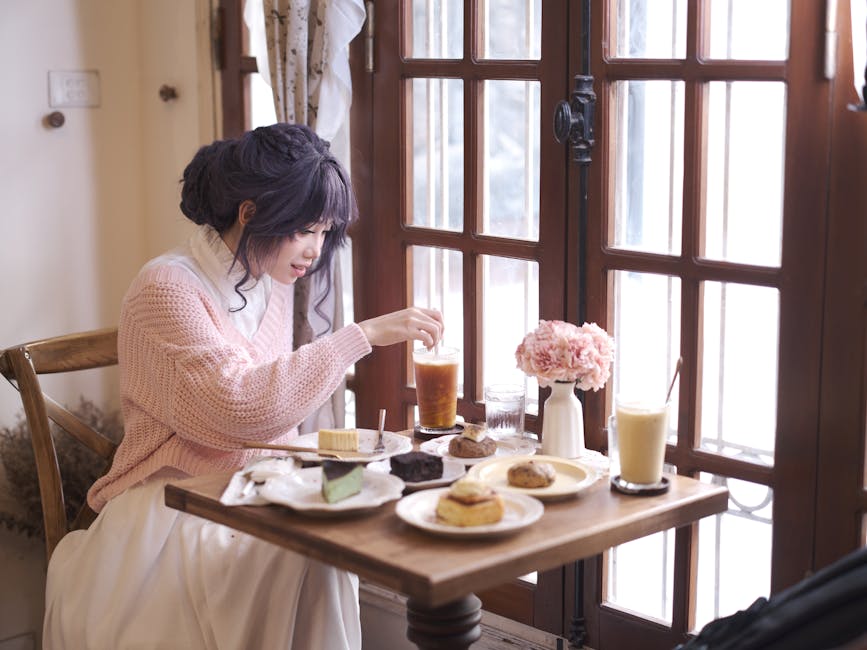
When viewing a cardigan through a financial lens, the initial price tag is often a poor indicator of true value. A £20 acrylic cardigan may seem like a bargain, but if it becomes unwearable due to pilling and loss of shape after five washes, the cost-per-wear is exceptionally high. Conversely, a £130 cashmere cardigan that lasts for five years and is worn twice a week has a cost-per-wear of approximately 25 pence. This is why investing in higher-quality retail options from established brands like those in the Awin network often makes more financial sense in the long run.
Furthermore, the versatility of the cardigan adds to its economic value. By applying the “Rule of Three,” you can maximize its utility. A cardigan can be worn as a base layer (buttoned up like a sweater), a mid-layer (under a coat or blazer), or an outer layer (over a dress or blouse). By rotating how you wear it, you distribute the mechanical stress on the garment. For example, wearing it buttoned up as a top reduces the stress on the buttonholes and prevents the front panels from flapping and catching on external objects. Choosing a neutral palette—navy, charcoal, or camel—ensures that the piece remains relevant regardless of changing seasonal trends, truly earning its place as an everyday essential.
Ultimately, the best everyday cardigan for you is the one that aligns with your lifestyle’s maintenance capacity. If you know you will never hand-wash a garment, do not buy cashmere; stick to the machine-washable merino options from Marks & Spencer or Uniqlo. If you live in a climate with high humidity, avoid heavy cottons that will hold moisture and become heavy. By selecting the right fiber, understanding the gauge, and committing to basic maintenance, you transform a simple piece of clothing into a reliable companion that provides comfort and style for years to come.