 By Kelvin Tshuma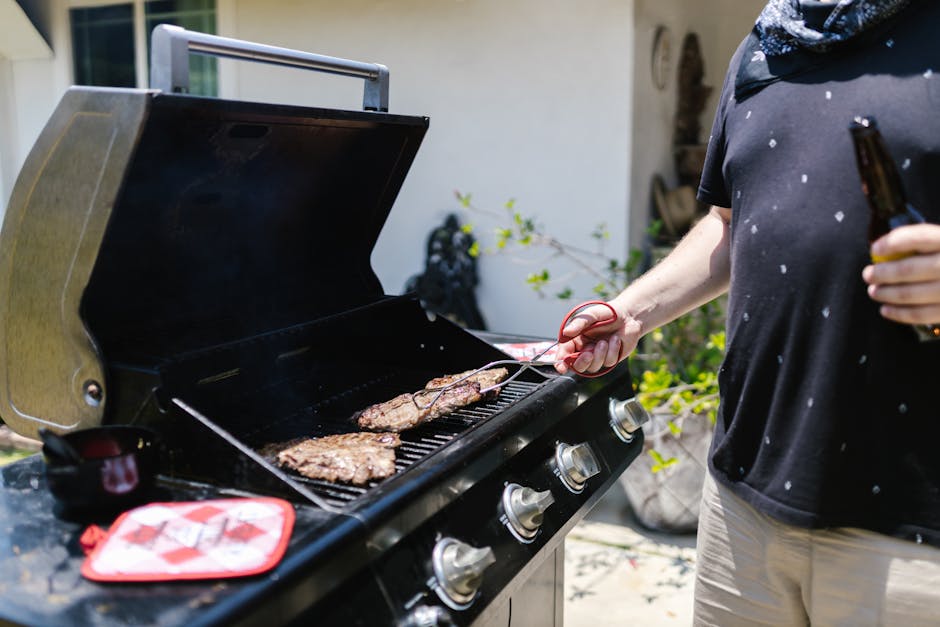
If you are looking for the best skirt steak near you, the first thing you need to realize is that most grocery stores are actually hiding the good stuff from you. I have spent the last decade hovering over charcoal grills and cast-iron pans, and if there is one thing I have learned, it is that not all skirt steaks are created equal. You can walk into a standard supermarket and find a package labeled ‘skirt steak,’ but nine times out of ten, you are looking at the ‘inside’ cut, which is often tough, thin, and frankly, a bit of a disappointment if you were expecting that steakhouse experience. To find the truly elite cuts, you have to know what to ask for and where the premium supply chains actually lead.
The best skirt steak is usually found at dedicated craft butchers or high-end retail partners that prioritize whole-animal butchery. While a local boutique butcher is my first choice, many of us rely on larger retailers for convenience. If you are shopping at major outlets like Walmart or Marks & Spencer, you need to look for specific labeling. For instance, Walmart often carries ‘Choice’ or ‘Prime’ grade beef, and if you can find their vacuum-sealed Prime skirt steak, you are getting a massive jump in marbling for a relatively small price increase. The trick is looking for the ‘outside’ skirt, which is the thicker, more marbled diaphragm muscle that most high-end restaurants snap up before it ever hits a retail shelf. Finding it near you requires a mix of timing, knowing your local butcher’s delivery schedule, and being willing to pay a few extra dollars for the ‘Prime’ designation.
How to Identify the Best Quality Skirt Steak at Local Retailers
When you are standing at the meat counter, your eyes are your best tool. You want to look for a deep, vibrant red color—not a dull grey or a brownish tint. But more importantly, look at the fat. Skirt steak is famous for its intense beefy flavor, which comes directly from the intramuscular fat. In high-quality cuts, this fat should look like fine white threads woven through the muscle, not large, waxy chunks on the outside. This is what we call marbling, and in a thin cut like skirt, it is the difference between a juicy bite and something that feels like chewing on a rubber band.
I always recommend checking the weight and thickness. A premium ‘outside’ skirt steak will usually be about half an inch to nearly an inch thick in some spots. If the steak looks like a thin, tattered ribbon, it is likely an ‘inside’ skirt that has been over-trimmed. If you are shopping online through retail giants like Ocado or Target, pay close attention to the weight-to-price ratio. A 1lb skirt steak for $12 is likely a standard choice cut, while a $22-per-pound option usually indicates a Wagyu or Prime designation. I have found that spending the extra 30% on the higher grade is almost always worth it because the yield is better; you don’t lose half the steak to ‘silver skin’ or unrenderable gristle that you have to trim away yourself.
Comparison of Common Retail Skirt Steak Grades
| Grade | Visual Indicators | Best Use Case | Approx. Price/lb |
|---|---|---|---|
| USDA Select / Basic | Lean, very little white marbling, bright red. | Slow-cooked fajitas or heavy marinating. | $9 – $12 |
| USDA Choice / Mid-Tier | Moderate marbling, consistent thickness. | General grilling, tacos, weekday dinners. | $13 – $17 |
| USDA Prime / Wagyu | Dense white webbing of fat, very thick. | High-heat searing, served as a standalone steak. | $20 – $35 |
The Critical Difference Between Inside and Outside Skirt Steak

This is the hill I will die on: if you aren’t buying outside skirt, you aren’t really eating the best version of this cut. The cow has two skirt muscles. The ‘inside’ skirt is part of the transverse abdominal muscle. It is thinner, tougher, and has a much more irregular shape. The ‘outside’ skirt is the diaphragm muscle. It is prized by chefs because it is naturally thicker and has a much higher fat content. The problem is that the outside skirt is often sold exclusively to restaurants, leaving the inside skirt for the general public. This is why you might feel like your home-cooked steak never tastes as good as the one at the local bistro.
To find the outside skirt near you, you often have to go to a specialty butcher or look for ‘untrimmed’ options at places like Costco. When you find it, it will often come with a layer of membrane still attached. Do not let this intimidate you. It takes about two minutes to peel that membrane off with a sharp knife, and underneath is the most flavorful piece of beef on the entire animal. The texture of an outside skirt is almost buttery when cooked correctly, whereas the inside skirt always retains a bit of a ‘tug’ even when cooked to a perfect medium-rare. If your local shop only carries inside skirt, you must compensate by using a more aggressive marinade to help break down those tougher muscle fibers.
Essential Tools for Cooking the Perfect Skirt Steak at Home
You can buy the most expensive Wagyu skirt steak in the world, but if you toss it into a thin, non-stick frying pan, you have wasted your money. Skirt steak requires extreme, violent heat to develop a crust before the inside overcooks. Because it is so thin, you only have about 2-3 minutes per side to get that Maillard reaction—the chemical reaction that gives browned food its distinctive flavor. To achieve this, you need high-thermal-mass cookware. I personally swear by a heavy cast-iron skillet or a carbon steel pan.
If you are looking to upgrade your kitchen arsenal, retailers like Macy’s or Walmart offer excellent options that won’t break the bank. For example, the Lodge 12-inch Cast Iron Skillet (approx. $30) is a literal lifetime investment. It retains heat better than almost any other material, ensuring that when the cold meat hits the pan, the temperature doesn’t plummet. On the higher end, you might look at something like the All-Clad D3 Stainless Steel Skillet (approx. $160), which offers more precise control but requires a bit more technique to prevent sticking. Regardless of the pan, you also need a reliable meat thermometer. The Thermapen One (approx. $100) is the industry standard for a reason—it gives you a reading in one second. If that is too pricey, the Weber Instant Read (approx. $15) is a solid budget-friendly alternative available at most hardware and retail stores.
Recommended Gear for Steak Enthusiasts
- Lodge Cast Iron Skillet: Pro – Indestructible and holds heat perfectly. Con – Heavy and requires seasoning maintenance.
- Meater Plus Wireless Thermometer: Pro – Allows you to monitor temp from your phone. Con – Can be finicky with thick metal grill lids.
- Victorinox Fibrox Pro Slicing Knife: Pro – Incredible edge retention for the price. Con – Plastic handle feels a bit ‘industrial’.
The Science of the Marinade: Acid, Salt, and Time
I have seen people marinate skirt steak for 24 hours in pure lime juice, and I have to tell you—stop doing that. You are effectively making beef ceviche. The acid in the lime juice will ‘cook’ the exterior of the meat, turning it mushy and grey long before it ever touches the grill. A great skirt steak marinade needs balance. You want a fat (like olive oil or avocado oil) to carry flavors, a salt (soy sauce or kosher salt) to penetrate the muscle, and just a touch of acid to brighten the flavor. The goal isn’t to tenderize the meat—the heat and the slicing will do that—the goal is to enhance the beefiness.
My go-to formula is simple: 1/4 cup soy sauce, the juice of one lime, two cloves of smashed garlic, a tablespoon of brown sugar, and a healthy glug of olive oil. Let it sit for at least two hours, but no more than six. The sugar is the secret weapon here; it helps the steak caramelize quickly on the grill, giving you those charred, crispy edges that everyone fights over. If you are short on time, even a dry brine of just kosher salt for 45 minutes will do wonders. The salt draws moisture out, dissolves into a brine, and is then reabsorbed into the meat, seasoning it deeply. Just make sure to pat the steak bone-dry with paper towels before cooking. Moisture is the enemy of a good sear.
“The biggest mistake home cooks make with skirt steak is failing to dry the surface. If the steak is wet when it hits the pan, it will steam instead of sear, and you’ll lose that iconic crust.”
Mastering the Sear: Heat Management and Timing
When it comes to the actual cooking, you need to be focused. This isn’t a ‘set it and forget it’ situation like a ribeye or a roast. Skirt steak moves fast. If you are using a grill, get it as hot as it will go. If you are using a stove, turn the burner to high and wait until the oil in your cast iron starts to smoke slightly. You want to hear a roar when the meat hits the metal. I usually go for 3 minutes on the first side and about 2 minutes on the second. This should land you right in the medium-rare zone (around 130°F to 135°F).
One thing I’ve learned the hard way: do not overcrowd the pan. If you have a large skirt steak, cut it into two or three manageable pieces. If you crowd the pan, the temperature drops, and the meat starts to boil in its own juices. You want space for the steam to escape so the crust can form. Once the steak is done, move it to a cutting board and let it rest for at least 10 minutes. I know it’s tempting to slice into it immediately, but those muscle fibers are currently tight and constricted from the heat. Resting allows the juices to redistribute and the fibers to relax. If you cut it too soon, all that delicious flavor will end up on the board instead of in your mouth.
How to Slice Skirt Steak: The Most Important Step
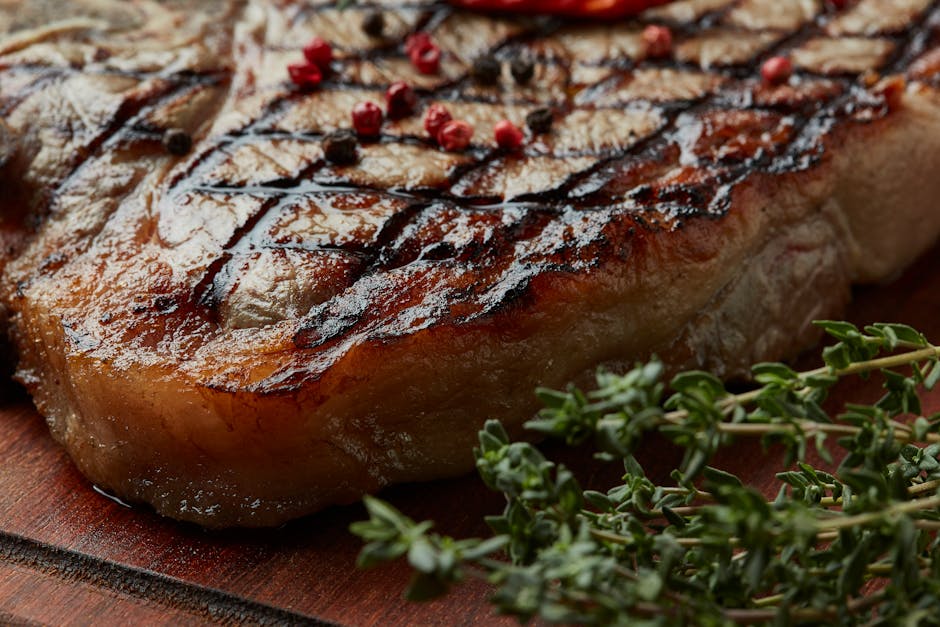
You can buy the best steak, marinate it perfectly, and sear it like a pro, but if you slice it incorrectly, it will be tough and unpleasant to eat. This is the stage where most people fail. Skirt steak has very long, distinct muscle fibers that run across the width of the meat. If you slice parallel to these fibers, you are asking your teeth to do the work of breaking down those long strands. It’s like trying to chew through a bundle of rope. You must slice against the grain.
Look closely at the cooked steak. You will see lines running in one direction. You want to turn the steak so your knife is perpendicular to those lines. Slice at a slight diagonal (a bias cut) into thin strips, about a quarter-inch thick. By doing this, you are shortening the muscle fibers to their smallest possible length. This makes the steak feel incredibly tender, almost melting in your mouth. I find that using a long, sharp carving knife makes this much easier. If you are looking for a reliable blade, the Wüsthof Classic 8-inch Chef’s Knife (available at Williams-Sonoma or Macy’s for around $170) is a fantastic tool that will give you those clean, effortless slices. Even a cheaper serrated bread knife can work in a pinch, as long as it’s sharp enough to bite into the crust without tearing the meat.
Finding the best skirt steak near you is a journey that starts with knowing your butcher and ends with your knife technique. Whether you’re sourcing from a high-end retail partner or a local specialist, the key is looking for that outside cut and treating it with the respect that high-heat cooking demands. Once you master the sear and the slice, you’ll find that this ‘lesser’ cut of beef is actually the most rewarding one in your culinary repertoire.