 By Kelvin Tshuma
Most people think the difference between a cocktail dress and a formal dress is just the length. That is wrong. If you show up to a gala in a knee-length sequin number, you will look like you missed the memo. If you show up to a rooftop happy hour in a floor-length chiffon gown, you will look like you are going to prom. The distinction is not just about inches of fabric. It is about fabric weight, construction, time of day, and the unspoken rules of the room.
You are not buying a dress for the dress. You are buying a dress for the invitation. Misread the invitation, and you waste money on a garment that hangs in the closet for a decade. Let us fix that.
The Hemline Rule That Actually Matters
Here is the quickest filter: if the invitation says “Black Tie,” you need a formal dress. That means floor-length. No exceptions. If it says “Cocktail Attire” or “Semi-Formal,” you can go short. But there is a nuance that trips people up.
A cocktail dress can be knee-length, midi, or even a high-low hem. It can technically be long, but only if it is made of a casual fabric like jersey or a light crepe. A formal dress is almost always floor-length, but it can be a very structured tea-length if the event is early in the day or if the venue is unconventional, like a museum opening.
Verdict: If you are unsure, a midi dress in a dark, solid color is the safest bet in modern fashion. It splits the difference without looking like you gave up.
When Short Is Too Short
For a cocktail party, a hem that hits two inches above the knee is standard. A hem that hits mid-thigh is not a cocktail dress; it is a club dress. The same goes for cutouts. One strategic cutout is elegant. Three cutouts plus a low back plus a slit is a different category of evening entirely.
Fabric Weight Separates the Tourists from the Guests
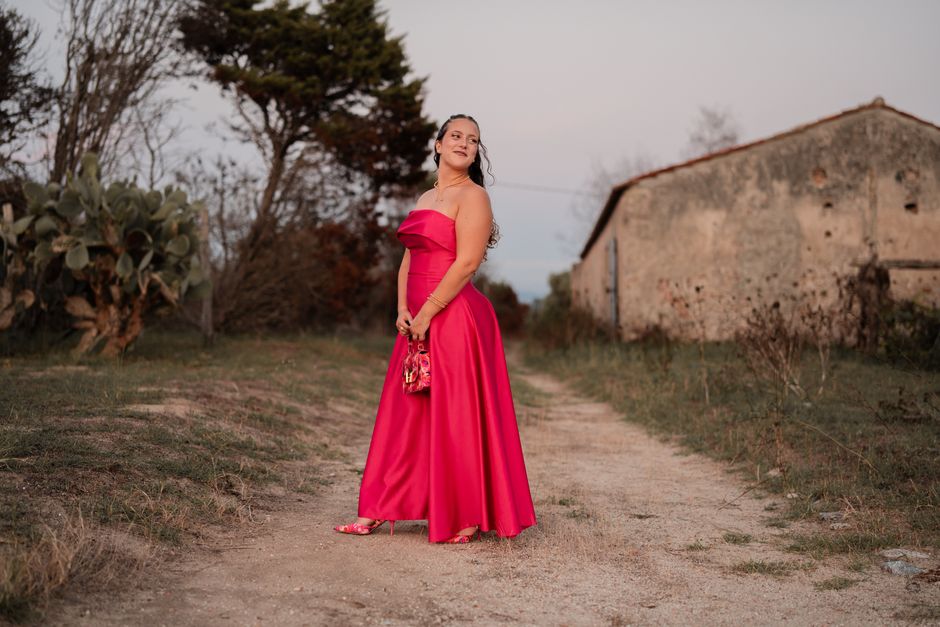
You can wear a long dress to a cocktail event and still look wrong if the fabric is too heavy. Formal dresses use structured materials: duchess satin, Mikado silk, heavy velvet, or layered tulle. These fabrics hold a shape. They have architectural seams. They do not move much when you walk.
Cocktail dresses use lighter fabrics: crepe, chiffon, charmeuse, or a structured ponte knit. They move with you. They are meant for socializing, standing, holding a drink, and walking around a room. A thick satin ballgown at a cocktail party makes you look like you are waiting for a coronation.
This is why renting a dress for a black-tie wedding is often smarter than buying one. You will not wear that heavy satin dress again. A good cocktail dress in crepe, though? You will wear it to dinners, fundraisers, and gallery openings for years.
Time of Day Dictates the Shine
This is where most people mess up. Sequins, beads, and metallic threads are not automatically formal. They are automatically evening. A short sequin cocktail dress is perfect for a New Year’s Eve party. A long sequin gown is perfect for a black-tie gala. But a long sequin gown at a 3 p.m. garden wedding? That is a mistake.
Formal daytime events (yes, they exist) call for lighter colors, lighter fabrics, and less shine. Think a structured A-line gown in a pastel or a floral jacquard. Cocktail events at night can handle more shine because the lighting is lower and the mood is different.
The rule: The later the event, the darker the color and the more shine you can get away with.
The Fit and Structure Showdown

Let us be blunt. A formal dress is not just a long cocktail dress. It is built differently. The bodice of a formal gown often has boning, a built-in corset, or at least a heavily structured waistband. It is designed to be worn with specific undergarments. It restricts your movement slightly. That is intentional. It forces good posture.
A cocktail dress is built for mobility. It might have a lining, but it rarely has boning. It should feel comfortable enough to sit in for a two-hour dinner and then stand for another hour of mingling. If you cannot raise your arms to hail a cab, it is not a cocktail dress.
| Feature | Cocktail Dress | Formal Dress |
|---|---|---|
| Typical Length | Knee to midi (sometimes high-low) | Floor-length (sometimes tea-length) |
| Fabric | Crepe, chiffon, ponte, light silk | Duchess satin, Mikado, velvet, tulle |
| Structure | Lined, minimal boning | Boned bodice, corset back, heavy seams |
| Best Time | Afternoon to late evening | Evening only (after 6 p.m.) |
| Shine Level | Moderate (sequins ok at night) | High (beading, metallic, full sequin) |
| Mobility | High (dancing, mingling) | Low (sitting, standing, slow walking) |
This table is your cheat sheet. Screenshot it. The next time you get an invitation, check the hemline, the fabric, and the time. You will not need to ask the group chat.
Where People Waste Money on These Dresses
The biggest failure mode is buying a formal dress for a one-time event at full retail price. A formal gown from a brand like Mac Duggal or Adrianna Papell can run anywhere from $300 to $800. You will wear it once. Maybe twice if you are lucky. That is a terrible cost-per-wear.
The smarter move is to rent the formal dress. Services like Rent the Runway or Nuuly let you wear a $600 designer gown for a weekend for around $50 to $100. You get the full effect without the closet clutter. This is not financial advice, but it is basic math.
For a cocktail dress, buying is usually the better move. A well-made cocktail dress in a neutral color (black, navy, deep green) has a cost-per-wear that drops to pennies over five years. Brands like Reformation and ASTR the Label make cocktail dresses in the $150 to $250 range that hold up well. The mistake is buying a cocktail dress in a loud print or a trendy silhouette that you will only wear once. Buy the boring color. Add the trend with your shoes or bag.
Do Not Buy a Dress That Needs a Specific Bra
This is a practical failure mode. If a dress has a low back, a plunging neckline, or no structure, you will need a specialized bra or tape. That adds $50 to $100 to the cost and adds stress on the day of the event. Unless you already own the right undergarments, factor that into the price. A $200 dress that needs a $80 bra is a $280 dress.
The Verdict: Which One Do You Actually Need?
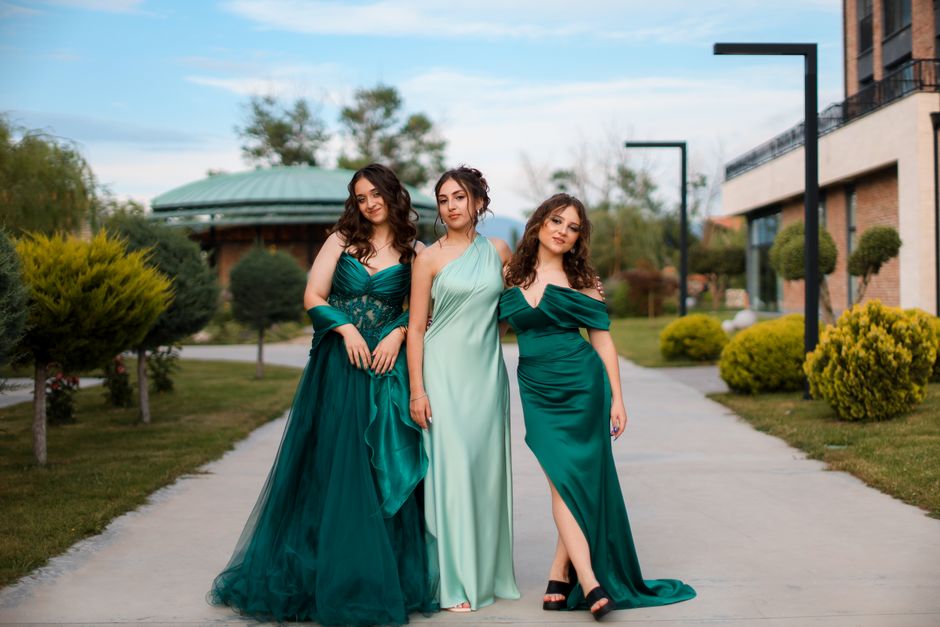
If your social calendar is mostly weddings, charity galas, and black-tie fundraisers, you need access to formal dresses. Rent them. Do not buy.
If your calendar is mostly work events, birthday dinners, date nights, and cocktail hours, buy one great cocktail dress. Make it dark, make it simple, and make sure it fits well in the shoulders. That is the dress that will save you every single time.
The mistake is thinking these two categories are interchangeable. They are not. A formal dress is armor for a specific kind of evening. A cocktail dress is a tool for living your actual life. Know the difference before you spend a dollar.