 By Kelvin Tshuma

I’ve worked in offices for over a decade, from strict business formal to startups where jeans were fine. The biggest mistake I see? People chasing “work outfit trends” on TikTok and ending up with a closet full of statement pieces that don’t go together. Trends don’t survive a Tuesday morning rush. Formulas do.
This is the system I use to get dressed in under five minutes without looking like I rolled out of bed or like I’m cosplaying a LinkedIn influencer.
The Three-Piece Anchor Method
Every good work outfit has three anchors: a structured piece, a soft piece, and a neutral base. Miss one and the outfit falls apart.
Structured piece = blazer, tailored trousers, a crisp button-down, or a wool overcoat. This carries the “professional” signal.
Soft piece = fine-gauge knit, silk shell, soft cotton tee, or a draped midi skirt. This keeps you from looking like a bank teller from 1987.
Neutral base = the color that ties everything together. Usually black, navy, cream, charcoal, or camel. Not white denim. Not neon.
Example: Everlane’s The Easy Blazer ($168) + Uniqlo’s Supima Cotton Crew Tee ($15) + COS wide-leg tailored trousers ($135). That’s an outfit. It works in 90% of offices. Swap the blazer for a cardigan and it’s casual Friday.
The anchor method kills decision fatigue because you’re not matching “outfits.” You’re matching three categories. Your brain handles three categories fast.
Why This Works Better Than Trend Chasing
Trends like “corpcore” or “office siren” look great in photos and terrible in fluorescent lighting. A structured blazer and neutral trousers look decent in both. Trends also require buying new pieces constantly. The anchor method works with what you already own.
I tested this with a friend who swore she had “nothing to wear” despite owning 40+ work pieces. We found nine complete outfits in her existing closet using the three-anchor rule. She’d been overlooking combinations because she thought in terms of “tops that match bottoms” instead of “structured + soft + neutral.”
Dress Codes Are Actually Just Three Rules
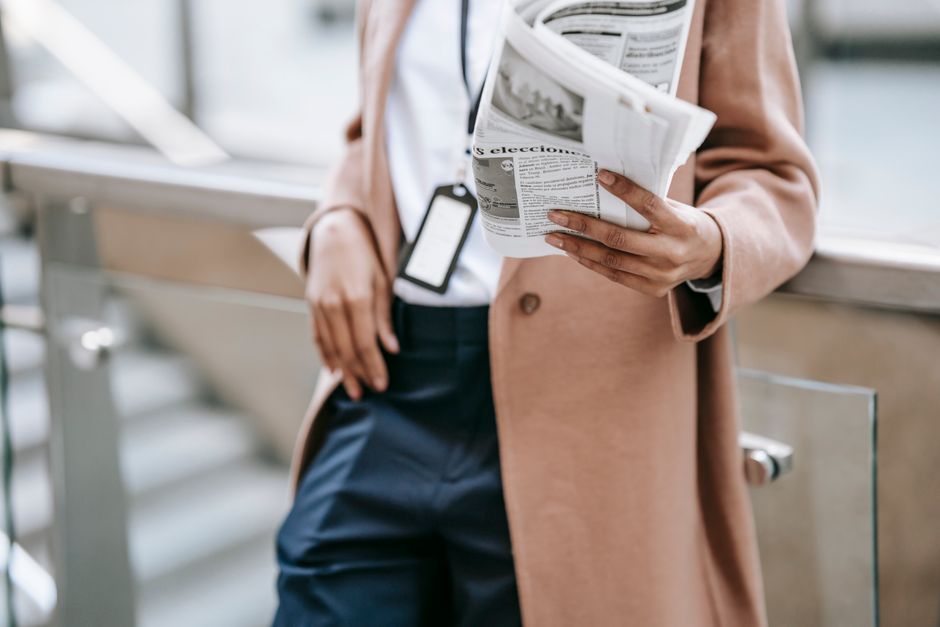
People overthink dress codes. Here’s what they actually mean in practice.
| Dress Code | What It Really Means | Your Anchor Formula | Example Pieces |
|---|---|---|---|
| Business Formal | Suit or structured dress. No exceptions. | Structured suit + soft shell + neutral leather shoes | Theory Treeca Suit ($495), COS silk shell ($69), Sam Edelman loafers ($120) |
| Business Casual | No suit required, but no jeans unless explicitly allowed | Structured top OR bottom + soft counterpart + neutral base | Aritzia Effortless Pant ($148), Uniqlo merino crewneck ($40), Madewell leather belt ($38) |
| Smart Casual | Dark jeans OK, no rips, no sneakers unless clean leather | Soft piece + upgraded neutral + one structured accent | Everlane Way-High Jean ($98), J.Crew cashmere sweater ($118), Sezane belt ($65) |
The failure mode here is assuming “business casual” means “anything goes.” It doesn’t. It means “no suit, but still look intentional.” I’ve watched interns get pulled aside for wearing yoga pants and a hoodie because they read the dress code as “casual” and ignored the “business” part.
The Shoe Test
If you’re unsure whether an outfit is work-appropriate, look at your shoes. Sneakers with a suit reads creative agency. Sneakers with chinos reads IT support. Leather loafers with anything reads “I know what I’m doing.” The shoe test catches 80% of dress code fails before you leave the house.
Five Formulas That Cover Every Workday
Stop building outfits from scratch. Use these.
- The Monday Reset: Tailored trousers + fine-knit sweater + leather loafers. Comfortable enough for a full day, sharp enough for the first meeting. Try the Aritzia Effortless Pant ($148) with a Uniqlo merino crewneck ($40).
- The Presentation Armor: Structured blazer + silk shell + straight-leg trousers + pointed flats. This is the outfit you wear when you need to be taken seriously by people who don’t know you. The Theory Treeca blazer ($395) is worth every penny if you present monthly.
- The Desk-to-Dinner: Midi slip dress + oversized knit + leather ankle boots. Works with a blazer over it for the office, works without for dinner. COS makes a good slip dress for $99 that doesn’t wrinkle.
- The Casual Friday That Still Counts: Dark straight jeans + cashmere crewneck + belt + clean white leather sneakers. Not running shoes. Leather. Veja Campo sneakers ($145) are the sweet spot.
- The I-Have-No-Meetings Day: Wide-leg trousers + cotton tee + cardigan + loafers. Comfortable, but you can still hop on a video call without changing. The Everlane Easy Pant ($78) works here.
Each formula uses the three-anchor method. Each one takes under five minutes to assemble. Each one works in a real office, not just in a flat lay photo.
What Actually Fails in Real Offices
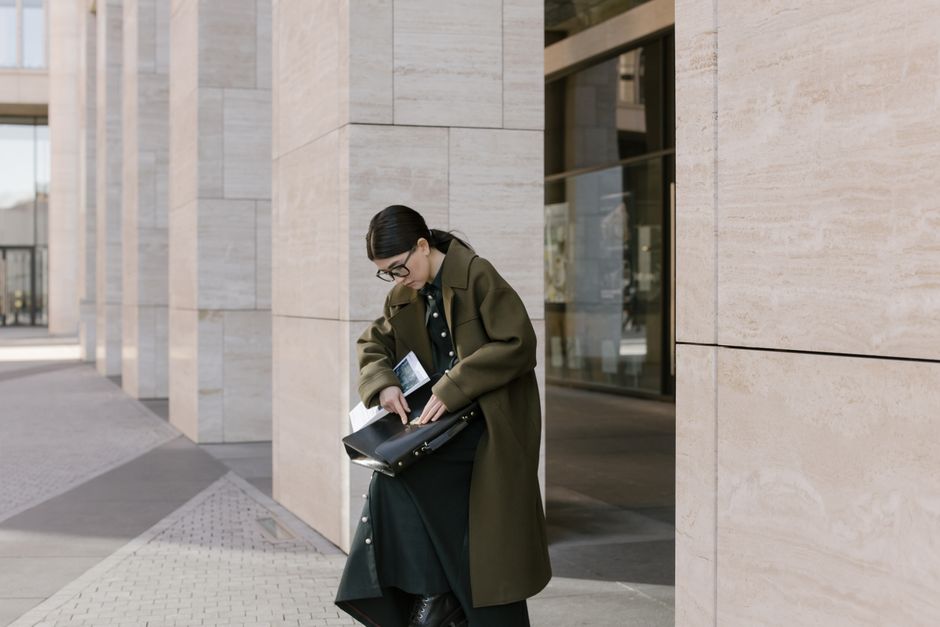
Here’s what I’ve seen go wrong, repeatedly, across multiple companies.
All trend, no structure. The “office siren” look with sheer tops and pencil skirts? HR nightmare in most actual workplaces. Save it for after hours.
All structure, no softness. Full suit every day makes you look like you’re interviewing for a job you already have. Soften it with a knit or a silk shell.
Ignoring fabric. Polyester blouses look fine on camera and terrible under office lighting after 3 hours. Wrinkled linen looks intentional in photos and sloppy in person. Read fabric content before you buy.
Buying for a fantasy job. If you work in a casual startup, buying five blazers is a waste. If you work in a law firm, buying five pairs of jeans is a waste. Dress for the job you have, not the one on Instagram.
The biggest failure mode is buying pieces in isolation. A statement blouse that only matches one pair of pants is a liability. A neutral blazer that matches everything is an asset. The anchor method forces you to buy pieces that work together.
When to Ignore All of This
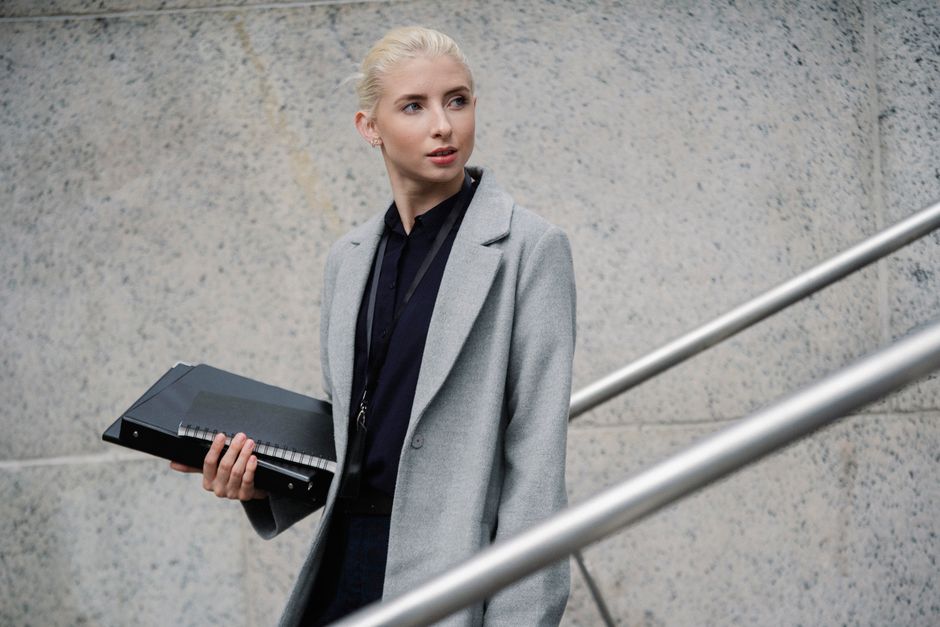
If you work fully remote and never turn your camera on, none of this matters. Wear what you want.
If you work in a creative field where self-expression is part of the job, the anchor method might feel too restrictive. Use it as a base, then add your signature piece. The formula is a floor, not a ceiling.
If you have a uniform or a very strict dress code, skip the formulas and follow the code. No amount of styling advice beats a written policy.
Quick Verdict
- Best overall work trouser: Aritzia Effortless Pant ($148) — flattering, machine washable, works for business casual and smart casual
- Best budget blazer: Everlane The Easy Blazer ($168) — unstructured enough for startups, structured enough for meetings
- Best work shoe: Sam Edelman Loraine loafers ($120) — comfortable, leather, goes with everything
- Best knit for layering: Uniqlo merino crewneck ($40) — thin enough to layer under blazers, warm enough alone
- Best slip dress for desk-to-dinner: COS slip dress ($99) — doesn’t wrinkle, works with or without layers
You don’t need 50 work pieces. You need 15 good ones that follow the anchor method. Five structured pieces, five soft pieces, five neutral bases. That’s 125 possible combinations. More than enough for any office.