 By Kelvin Tshuma
I’ve been reading for decades, and if there’s one misconception that still grates on me, it’s the idea that a short book is somehow “lesser.” Less challenging, less profound, less worth your time. Let me tell you, that’s just plain wrong. I’ve wasted too much energy on doorstopper novels that could’ve been novellas, feeling guilty if I picked up something under 200 pages. That guilt? It’s a trap.
For years, I stubbornly chased length, thinking the thicker the spine, the more intellectual the pursuit. What a joke. I missed out on so many powerful, perfectly crafted stories because of this arbitrary page-count snobbery. My biggest mistake was believing that literary merit was directly proportional to the physical size of a book. It’s not. In fact, some of the most impactful reading experiences of my life have come from books I finished in an afternoon.
Today, my approach is completely different. I seek out brevity, not because I’m lazy, but because I’ve learned that conciseness often demands greater skill from the author and delivers a more potent punch to the reader. Short books force you to engage differently. They don’t give you hundreds of pages to warm up; they grab you from page one and don’t let go until the final word leaves you thinking for days. If you’re not incorporating them into your reading, you’re missing out on some truly exceptional literature. Don’t make my old mistakes; embrace the short read.
The Lie About Short Reads: Why Less Is More
People often dismiss short books as “easy” or “light” reads, a palate cleanser between “real” novels. This couldn’t be further from the truth. In my experience, a truly great short book – be it a novella or a collection of short stories – requires a different kind of mastery from its author, and a different kind of attention from its reader. There’s no room for filler, no sprawling subplots to distract you. Every word has to earn its place, every sentence must drive the narrative forward or deepen the character.
I’ve seen so many readers miss out on absolute gems because they’re fixated on the perceived value of a hefty tome. They think more pages equal more story, more insight, more intellectual stimulation. But often, the opposite is true. Long books can sometimes be flabby, their impact diluted by unnecessary exposition or repetitive descriptions. Short books, when done right, are lean, muscular, and incredibly efficient. They distill complex ideas, emotions, and narratives into their purest forms, delivering maximum impact with minimal fuss. This isn’t about rushing your reading; it’s about appreciating the power of a perfectly honed narrative.
The Myth of “Easy” Reading
Let’s be clear: “short” does not mean “easy.” I’ve wrestled with more profound ideas and complex emotions in a 150-page novella than in some 800-page epics. Take a book like Kafka’s The Metamorphosis; it’s short, but the themes of alienation, family dysfunction, and identity are anything but simple. Reading it isn’t about quickly turning pages; it’s about grappling with its unsettling implications long after you’ve closed the cover. Authors who excel in the short form are often masters of implication and subtext, trusting the reader to fill in the gaps and engage actively with the story. They don’t spell everything out; they hint, they suggest, and they challenge you to think.
Impact Over Page Count
The true measure of a book isn’t its length, but its lingering effect. I prioritize books that stick with me, that change my perspective, or that simply tell a damn good story. Many short books do this exceptionally well because their brevity often enhances their emotional resonance. Think about it: a concentrated burst of narrative can hit harder than a drawn-out saga. The focus is unwavering, the tension sustained, and the climax often feels more intense because there haven’t been hundreds of pages for you to become desensitized. These are the stories that pop into your head days, weeks, or even years later. They are concise, yes, but never forgettable.
Spotting a Great Short Book: My Checklist
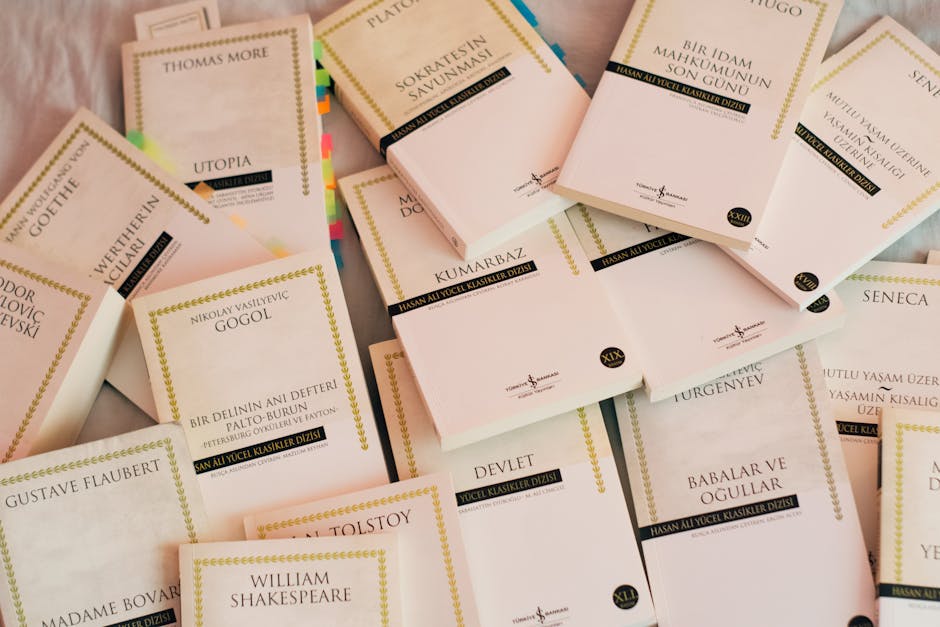
After years of trial and error, I’ve developed a system for identifying truly great short books. It’s not about scanning reviews; it’s about knowing what elements make a concise narrative shine. You’re looking for an immediate engagement, a narrative that respects your time but doesn’t skimp on depth. A good short book needs to feel complete, not just a chapter ripped from a larger work. Here’s what I always check for before diving in:
- Pacing and Narrative Drive: Short books don’t have time for slow burns. The best ones grab you within the first few pages and maintain a relentless pace. Every scene, every paragraph, should feel essential to the story’s progression. If it feels like the author is meandering or building too slowly, it’s probably not a good fit for the short form. I look for stories where the plot or character development moves efficiently, even if the themes themselves are complex. The narrative should feel urgent.
- Prose That Sticks: Because there are fewer words, each one has to count. I pay close attention to the writing style. Is it vivid? Is it precise? Does it evoke strong imagery or emotions without excessive description? Clunky, overly verbose, or abstract prose can kill a short book. You want language that is sharp, evocative, and memorable, leaving a clear imprint in your mind. If the sentences feel lazy, skip it.
- The Lingering Aftertaste: This is the ultimate test. Does the story stay with you? Does it prompt reflection, discussion, or a shift in your own perspective? A great short book doesn’t just end when you turn the last page; it resonates. It should leave you with questions, new insights, or a profound emotional impression. If I finish a book and immediately forget it, then it failed, regardless of its length. The best short reads often have the longest echoes.
Pacing and Narrative Drive
When I pick up a short book, I expect the story to hit the ground running. There’s no time for lengthy introductions to the world or the characters; the author needs to establish the stakes and the central conflict almost immediately. I’m looking for a narrative that feels taut and focused, where every scene contributes directly to the overall arc. If I find myself skimming, even in a book under 200 pages, that’s a red flag. The best novellas, like Shirley Jackson’s We Have Always Lived in the Castle, pull you in with an immediate sense of unease and intrigue, building tension expertly without wasted words.
Prose That Sticks
This is where brevity truly shines. In a short book, every sentence is under a microscope. I look for authors who can convey a world or a character’s inner life with remarkable economy. Think about the stark, powerful language of Hemingway or the precise, almost poetic descriptions of Alice Munro in her short stories. The prose shouldn’t just deliver information; it should elevate the experience, making the act of reading itself a pleasure. If the writing feels generic or uninspired, it detracts significantly from the impact, especially when you have fewer pages to immerse yourself.
The Lingering Aftertaste
For me, the true power of a short book lies in its ability to leave a lasting impression. It’s not about the sheer volume of content, but the density of the experience. I want a story that makes me pause, think, and maybe even re-evaluate something about my own life or the world around me. The best short reads manage to pack an emotional or intellectual punch that belies their size. They condense complex human experiences into a focused narrative, allowing you to absorb the full weight of their message without feeling overwhelmed. If I’m still mulling over a character’s fate or a philosophical question days later, I know I’ve found a winner.
Wasting Money on the Wrong Short Book: What to Skip
Look, if you’re buying a short book purely because you think it’ll be a quick, mindless distraction, you’re setting yourself up for disappointment. That’s a common mistake I’ve seen people make. Short doesn’t automatically mean easy or superficial. It simply means the story is told with precision. Don’t waste your time or money on something that promises brevity but delivers blandness. Focus on quality, not just page count. A poorly written short book is still a poorly written book, just faster.
Don’t Buy Just for a Quick Read
The biggest pitfall is buying a short book simply because you need to check off a reading goal or want something to breeze through. This often leads to picking up poorly written fluff that offers no real substance. I’ve learned that a truly great short read is not about speed; it’s about efficiency and impact. If you’re not looking for that, you might end up with something forgettable, whether it’s 50 pages or 500. Focus on the author’s reputation, the blurb, and initial reviews, not just the page number.
Overlooking Novellas and Collections
A common mistake is thinking only of “short novels” when looking for concise reads. This overlooks two goldmines: novellas and short story collections. Novellas are often perfectly paced, offering the depth of a novel without the sprawl. Collections, on the other hand, provide multiple distinct, potent narratives, which can be incredibly rewarding. Don’t limit yourself to just one type. Authors like George Saunders or Alice Munro excel in the short story form, and their collections are often more impactful than many full-length novels. Missing these is missing out on some of the best writing available today.
Short Books for Busy Lives: My Top Categories

Life gets hectic. If you’re in a high-stress field, say, finance or telecom, where every minute counts, a short book can be a lifesaver. It’s not just about disconnecting; it’s about reconnecting with something meaningful without a huge time commitment. I’ve found that a quick dip into a compelling narrative helps reset my brain far better than endless scrolling through social media. These books fit into lunch breaks, commutes, or those precious half-hours before bed, offering a complete and satisfying experience without demanding weeks of commitment. They provide a mental escape and often a fresh perspective, which is invaluable when you’re constantly dealing with deadlines and complex issues.
Or maybe you’re looking for a spark, something to nudge you towards a new hobby or a fresh perspective. A short book can often do this. Think about how a book on minimalist living could inspire you to declutter and buy smarter, or a poignant novella might push you to try painting or explore a new cultural interest. These aren’t just stories; they can be catalysts. For me, a short, impactful read can inspire everything from a new recipe to a complete overhaul of my weekend routine, often leading to discovering new interests or even making intentional purchases that align with a desired lifestyle change. The beauty is, you get that inspiration without having to dedicate a month of evenings to a single text.
For the Professional Who Needs a Break
If your days are packed with calls, reports, and strategic planning, the thought of starting a 600-page novel can feel overwhelming. That’s where carefully chosen short books come in. I recommend picking up something with a strong narrative drive and compelling characters that allows for deep immersion, even in short bursts. Think literary fiction that transports you completely. These aren’t self-help books, but rather rich stories that provide genuine mental breaks. They help you clear your head, process emotions, and return to your work refreshed. A good example might be something like The Pearl by John Steinbeck, a powerful tale of greed and fate that can be read in a few hours but leaves a lasting impression, providing a stark contrast to the structured world of business.
For Sparking Creativity or a New Hobby
Sometimes, what we need isn’t just escape, but inspiration. Short books can be incredibly effective at planting seeds for new ideas, hobbies, or even lifestyle shifts. I’ve found that works of speculative fiction or literary non-fiction, even if brief, can open up new ways of thinking. Consider a poignant memoir that encourages reflection on your own life, or a whimsical fantasy novella that reignites a childlike sense of wonder. These can lead to exploring new artistic pursuits, trying a different kind of food, or even re-evaluating your approach to purchases, looking for items that truly bring joy or utility. Ursula K. Le Guin’s A Wizard of Earthsea, while part of a larger series, stands alone wonderfully and often inspires readers to delve into world-building or fantasy writing themselves.
For Pure Literary Escape
Sometimes, you just want to get lost in beautiful language and a masterfully told story, without any other agenda. For this, I gravitate towards critically acclaimed novellas or meticulously crafted short story collections. These are the books where the prose itself is a character, and the narrative is so tight it hums with energy. They offer a complete, satisfying literary experience that can be consumed in a single sitting or savored over a few evenings. It’s about enjoying the art of storytelling in its most concentrated form. Think of something like Flannery O’Connor’s short stories; each one is a miniature masterpiece, packed with vivid characters and unsettling insights into the human condition, perfect for those moments when you just want to immerse yourself in pure, unadulterated literature.
My Non-Negotiable Favorites: Specific Titles You Need

Alright, it’s time to stop beating around the bush. You want specific recommendations? I’ve got them. These aren’t just good; these are books I believe everyone should read. They represent the absolute pinnacle of short-form storytelling, offering profound insights and unforgettable narratives that prove length is irrelevant when talent is abundant. If you’re looking for where to start, these are my absolute, hands-down picks. I’ve read them multiple times and they never fail to deliver.
The Enduring Classic: Of Mice and Men by John Steinbeck
If you haven’t read Of Mice and Men, stop everything and pick it up. Seriously. This novella, first published in 1937, typically retails for under $15 in paperback. Steinbeck’s lean, powerful prose tells the story of George and Lennie, two migrant farmworkers in Depression-era California, dreaming of owning their own land. It’s about friendship, loneliness, and the harsh realities of the American Dream. The narrative is tight, the dialogue is masterful, and the ending? It will absolutely gut you. It’s a perfect example of how an author can pack monumental emotion and social commentary into just 100 pages. This book taught me early on that a small package can hold the biggest punch. It’s a timeless masterpiece, and its themes are as relevant today as they were almost a century ago.
The Modern Masterpiece: Tenth of December by George Saunders
When it comes to contemporary short story collections, George Saunders is in a league of his own. His collection, Tenth of December (published 2013, usually around $16-18 for the paperback), is a staggering display of wit, empathy, and unique storytelling. Each story is a perfectly crafted universe, often blending the absurd with the deeply human. Saunders’s voice is unmistakable, tackling themes of consumerism, kindness, and moral dilemmas with a surgical precision that leaves you both laughing and contemplating. This isn’t light reading; it’s deeply thoughtful, experimental, and incredibly rewarding. I recommend starting with the title story, “Tenth of December,” or “Victory Lap” to get a taste of his genius. These stories challenge you, but they always leave you richer for the experience.
The Philosophical Punch: The Old Man and the Sea by Ernest Hemingway
Hemingway’s The Old Man and the Sea (1952, typically under $15 paperback) is a book I revisit every few years. It’s a deceptively simple story about an aging Cuban fisherman, Santiago, and his epic battle with a giant marlin. But beneath the surface, it’s a profound exploration of courage, determination, man’s relationship with nature, and the definition of victory. Hemingway’s stark, minimalist prose is at its absolute best here, making every word count. There’s no wasted breath, just pure, unadorned storytelling that resonates deeply. It’s a short read that asks big questions and offers no easy answers, leaving you to ponder its meaning long after Santiago has returned to shore. If you want a masterclass in brevity and depth, this is it.