 By Kelvin Tshuma
Buy the five basics first. That is the answer. Most beginners either overthink this and drop $200 on gear before their first session, or they show up in a cotton t-shirt and jeans and regret it by the second set. Neither works.
This guide names exactly what to get, which fabric to prioritize, why shoes matter more than any other single piece, and what you can safely skip until month three.
The 5 Pieces Every Beginner Needs Before Day One
Start with this list exactly. Don’t add to it yet.
- Moisture-wicking t-shirt — The Nike Dri-FIT Legend Tee costs $25 and handles sweat properly without clinging or stretching out after three washes. Avoid anything labeled “relaxed fit” in 100% cotton. You want polyester or a polyester blend, full stop.
- Training shorts — The Under Armour Tech 10″ Shorts ($25) have a drawstring waist that doesn’t slip during deadlifts and a liner that stops chafing on cardio. If you run cold or want leg coverage, the Under Armour Rival Fleece Joggers ($40) work for any machine-based session.
- Cross-training shoes — Not running shoes. Not basketball shoes. Cross-trainers specifically. The Reebok Nano X4 ($100) is the best beginner option available right now — flat sole for lifting stability, flexible enough for box jumps, durable enough for rope work and lateral movements.
- Training socks — Most beginners grab whatever is in the drawer. Don’t. Thin fashion ankle socks cause blisters on treadmills and slip inside shoes during lifting. The Nike Everyday Cushioned Training Socks ($15 for a 3-pack) have enough padding for any gym surface without bulk.
- Gym bag — Technically not clothing, but it holds everything and stops you arriving with a reusable shopping bag. The Under Armour Undeniable 5.0 Duffle ($40) fits a change of clothes, shoes, and a water bottle. That is all you need for a gym bag at this stage.
Total at full price: roughly $205. You can cut that significantly by starting with just items 1, 2, and 3 — the shoes are non-negotiable on day one, the socks and bag can wait a week. Watch for Nike and Under Armour sales, which drop 20–30% regularly, especially in January and around major holidays.
Fabric: The One Decision That Changes Every Gym Session

Fabric choice determines how you feel at rep 15, how fast you cool down between sets, and whether you smell like a locker room by the second exercise. It is not a minor detail.
Why moisture-wicking fabric actually works
Polyester and nylon are engineered to move moisture away from your skin toward the surface of the fabric, where it evaporates. Cotton does the opposite — it absorbs sweat, gets heavy, stays wet, and traps heat against your body.
This is not a marketing claim. It is basic textile chemistry. The weave structure of synthetic fabrics creates capillary action, pulling sweat outward instead of holding it against you. A soaked cotton shirt mid-workout causes friction, chafing on longer sessions, and makes a 45-minute gym visit feel twice as long.
Polyester vs nylon: which fabric wins
Polyester is cheaper and works well for most standard gym sessions — weight training, cardio machines, group classes. Nylon is more durable, softer against skin, and worth paying more for if you train frequently and wash your kit multiple times a week.
The Gymshark Vital Seamless T-Shirt ($35) uses a polyester-elastane blend that holds its shape after 50+ washes. The 10–15% elastane component gives enough stretch for overhead pressing and pull-ups without the shirt riding up. It is a good second purchase once you have confirmed you are sticking with the gym.
When cotton is acceptable at the gym
Walking on a treadmill at low intensity. Light stretching. Anything where your heart rate stays below 120bpm and sweat is minimal. Even then, building the habit of wearing synthetics from the start is smarter. One exception: a cotton layer over your gym kit when warming up in a cold gym, which you remove before the main session starts.
Cotton vs Polyester vs Nylon: What You’re Actually Comparing
Before buying anything, understand what each fabric actually delivers:
| Fabric | Sweat Management | Durability | Price Range | Best For |
|---|---|---|---|---|
| Cotton | Poor — absorbs and holds moisture | Good (softens, but fades) | $ | Low-intensity, casual wear only |
| Polyester | Excellent — wicks fast | Very good | $$ | General gym use, all cardio |
| Nylon | Excellent — wicks and dries faster than polyester | Excellent | $$$ | High-frequency training, heavy wash cycles |
| Poly-elastane blend | Excellent | Very good | $$ | Lifting, functional movements, stretching |
For a beginner, polyester or a poly-elastane blend is the target. It is not the cheapest option but it is the one that will not make training miserable before you have even built the habit.
The Shoe Problem Most Beginners Get Wrong
Running shoes have cushioned, raised heels. That cushion absorbs forward-motion impact during running — it actively destabilizes your ankle and knee joints during squats and deadlifts. Every heavy set in running shoes means your body compensating for an unstable base.
The Nike Metcon 9 ($130) is the benchmark cross-trainer — hard, flat sole, locked-down heel, wide toe box. The Reebok Nano X4 ($100) is the better beginner buy. Just as stable for lifting, slightly more forgiving on cardio days, and easier to find on sale. Either one is the right call. Running shoes are not.
What You Don’t Need to Buy Before Month Three
The fitness apparel industry profits from convincing beginners they need everything immediately. Most of it is irrelevant until you have a consistent training history.
Is compression gear necessary from the start?
No. Full compression tights, knee sleeves, and wrist wraps solve problems you do not have yet. The Under Armour HeatGear Compression Shorts ($30) are a good product — worn under regular shorts, they reduce chafing and provide light muscle support. But they are not a day-one purchase. Buy them after you have confirmed which types of training you are actually doing consistently.
Do beginners need a lifting belt?
A belt protects your lower back under near-maximal loads. Until you are squatting or deadlifting close to your bodyweight for multiple working sets, your core is not the limiting factor — your technique is. A belt does not fix technique. Skip it until a coach or experienced training partner tells you the weight is high enough to warrant one.
What about matching sets from premium brands?
A matching Gymshark or Lululemon set looks good. It does not help you lift heavier or run faster. A $25 Nike Dri-FIT tee and $25 Under Armour shorts will outperform most premium branded sets for actual function. Buy the matching set when you know the gym is a fixed part of your week — not as a motivation tool to start going in the first place.
A Real $100 Starter Kit: What to Buy and in What Order
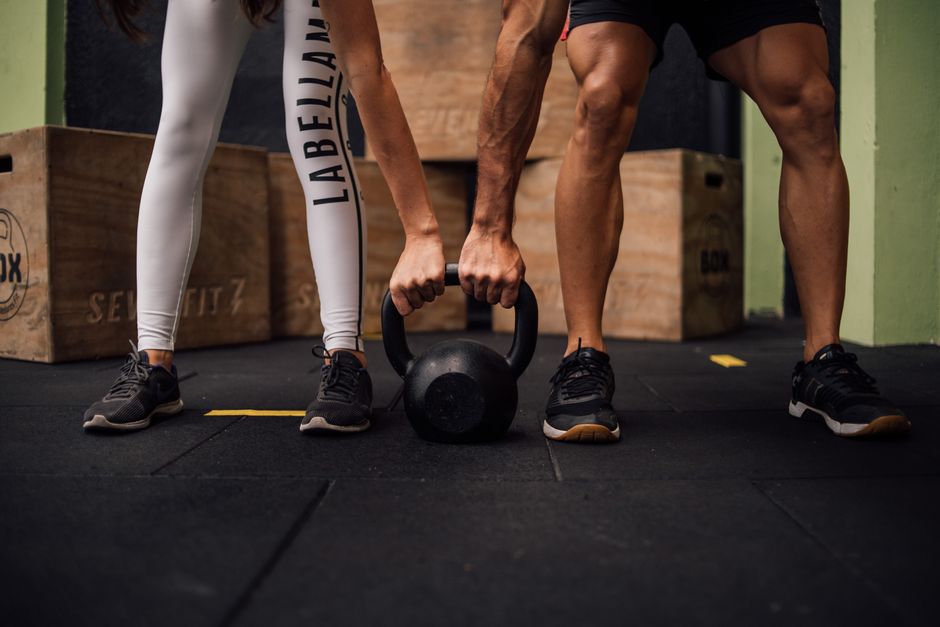
This is a functional beginner setup that covers everything for the first four weeks of training:
| Item | Specific Product | Approximate Price | Priority |
|---|---|---|---|
| T-shirt | Nike Dri-FIT Legend Tee | $25 | Buy first |
| Shorts | Under Armour Tech 10″ Shorts | $25 | Buy first |
| Cross-trainers | Reebok Nano X4 | $80–$100 (watch for sales) | Buy first |
| Socks | Nike Everyday Cushioned 3-Pack | $15 | Buy second |
| Gym bag | Under Armour Undeniable 5.0 Duffle | $40 | Buy second |
| Total (sale prices) | ~$120–$145 |
Reebok and Nike both run significant sales in January, late summer, and around major holidays. The shoe is the only item worth delaying a few days to catch a discount on. The tee and shorts are already at a fair price point — buy them immediately so you are not standing in your first session in jeans.
Once those three priority pieces are sorted, walking into the gym on day one becomes about the training — not about whether you will overheat, slip on a treadmill, or spend the session adjusting clothes that were not designed for any of this. That is the actual goal of sorting your kit early: get it out of the way so nothing interrupts the first few weeks of building the habit.